Karakara 2 blends cozy slice-of-life with a dusk-tinted setting
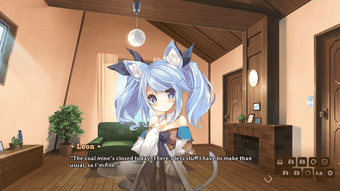
Karakara 2, from calme, is a character-driven visual novel that places a small diner and its cast at the center of the fading Age of Dusk. The game unfolds as a short, story-focused adventure where players follow Leon and companions through branching dialogue, expressive E-mote sprite animation, and voice performance that emphasize interpersonal moments. It highlights pako's character art, full Japanese female voice acting, multilingual text, and an atmospheric soundtrack, making it suited to fans of slice-of-life and kemonomimi designs on Windows.
What kind of game is Karakara 2?
Unlike brighter café romps, Karakara 2 frames its everyday moments inside a shrinking post-apocalyptic world, following Leon as he runs a small diner in a desert town. The title is a direct sequel that introduces Rebecca to the cast and keeps focus on quiet interactions rather than spectacle. The narrative reads as a slice-of-life chapter that stands on its own, though the first game deepens context for returning players.
Single-player focus keeps the experience intimate and character-driven
The game is single-player and built around reading, choices, and character scenes that emphasize relationships. It uses the E-mote animation engine to animate 2D sprites and gives full Japanese voice acting for major female characters, while the protagonist remains unvoiced. Text supports English, Japanese, and Chinese, which helps non-Japanese readers access the dialogue and character beats.
Languages: English, Japanese, Chinese
Art and audio set a cozy yet desolate tone
Pako's character illustrations anchor the visual identity, and the E-mote-driven sprites add motion to expressions and blinks. An atmospheric soundtrack underpins the diner scenes and desert stretches, reinforcing warmth inside decline. The game targets Windows with a DirectX 9.0c compatible graphics card and a minimum of 2 GB RAM, reflecting modest technical demands. Community feedback highlights the improved animation compared with the series' first entry.
Short scope suits character-focused players more than branching complexity
Karakara 2 is relatively concise, and its design privileges small scenes over elaborate progression systems. Typical playthroughs run on the short side, so replay value depends on how much a player wants to revisit character moments. The title fits players who enjoy gentle, people-centered storytelling and kemonomimi character design rather than long, plot-heavy visual novels or complex branching narratives.
In summary, a calm, character-first sequel best for patient story players
Karakara 2 succeeds as a quietly assured follow-up that privileges warmth and observation over plot twists. It appeals to readers who enjoy intimate character interaction and subtle atmosphere, while players seeking complex narrative architecture or extended branching depth may find its emotional radius compact. For those who value mood and small moments, it is a well-tailored, readable experience.
Pros
E-mote animations give 2D sprites fluid, expressive movement
Pako's character illustrations provide consistent, high-quality designs
Full Japanese voice acting for major female characters
Multilingual text support including English and Chinese
Cons
Relatively short playtime limits extensive replay value
Protagonist remains unvoiced, reducing spoken player presence
Sequel benefits from familiarity with the first game's relationships
Laws concerning the use of this software vary from country to country. We do not encourage or condone the use of this program if it is in violation of these laws. Softonic may receive a referral fee if you click or buy any of the products featured here.